
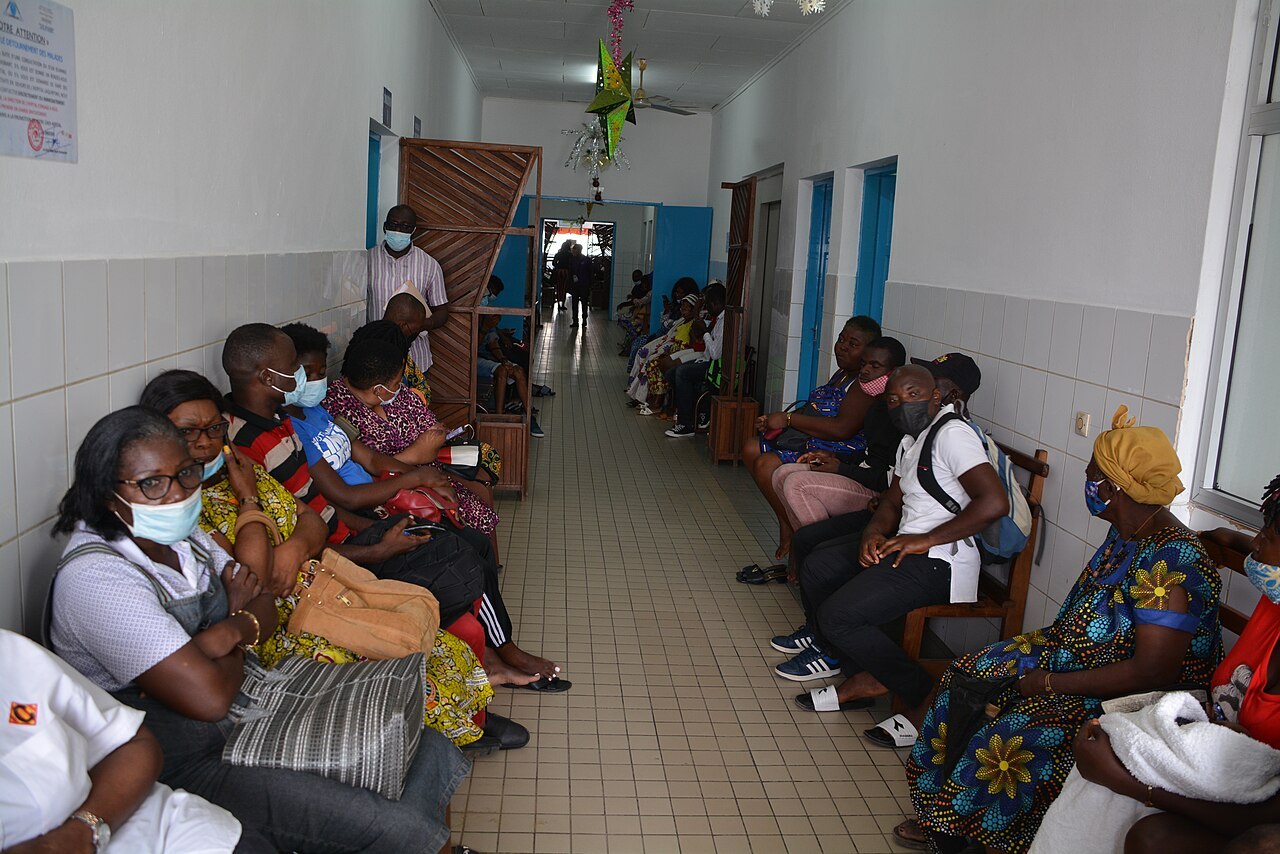
WHO published global guidance on integrated obesity management for adolescents aged 10 to 19 on 7 October. The guideline places primary health care at the centre of a response to the growing burden of obesity and its effects on health and daily functioning.
The document evaluates dietary and physical activity interventions, sleep and sedentary behaviour, behavioural support, digital services and clinical treatment options. Its recommendations draw on evidence reviews as well as considerations of benefits, harms, affordability and feasibility. WHO also incorporates the preferences of adolescents and caregivers, with attention to equity and human rights. The publication is intended to help governments, programme managers and health professionals adapt care pathways to local settings; it does not prescribe one identical treatment for every adolescent.