
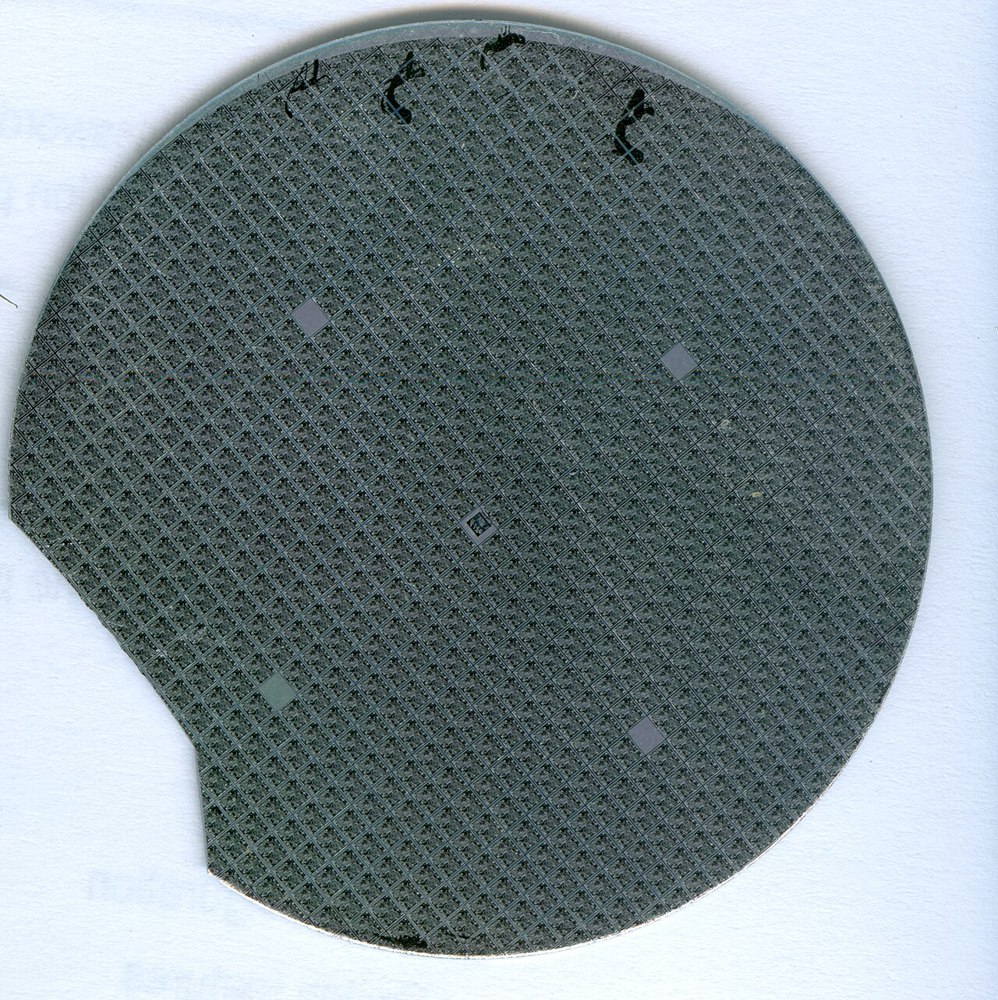
Google announced its eighth generation of Tensor Processing Units at Cloud Next on 22 April, dividing the design into chips aimed at training AI models and chips aimed at running them. The TPU 8t targets training, while the TPU 8i is designed for inference workloads.
The company also introduced a platform for building and governing enterprise AI agents. Together, the announcements reflect the growing infrastructure demands of systems that carry out multi-step tasks rather than only generate individual responses. Google's performance and efficiency figures are vendor claims, not independent benchmarks. The proposed cloud offerings must still be evaluated against real workloads, operating costs and availability; the announcement alone does not establish that one architecture will be best for every organisation.